Struggling to find the right fit for your unique furnace? You might wonder if a custom solution is the answer, but the word “custom” can be a minefield of hidden costs and operational risks. The key to evaluating graphite electrodes isn’t just asking if they can be customized, but understanding how and when it makes sense for your operation.
Yes, but perhaps not in the way you might think. Customization for graphite electrodes is less about creating a one-of-a-kind product from scratch and more about selecting a specific combination of dimensions, material grades, and joint designs to match your furnace’s unique requirements. The goal is to find the most suitable, proven specification for your application.
Now that we have the short answer, let’s unpack what this really means. As someone who handles these requests daily, I want to walk you through the questions you should be asking before you even think about placing a “custom” order. It’s about moving from a vague request to a precise technical specification.
What Does “Customization” Really Mean for Graphite Electrodes?
When you hear “custom,” you might picture a product designed just for you. But in the world of industrial consumables, that can lead to high costs, long lead times, and performance uncertainty.
For us on the manufacturing side, “customization” means helping you select the right variables from a proven range of options. It’s about precision, not invention. It’s a collaborative process to dial in the perfect specs for your furnace.
When a customer asks my team for a “custom” electrode, the first thing we do is break that request down into three key areas. This is where the real work of defining your needs happens.
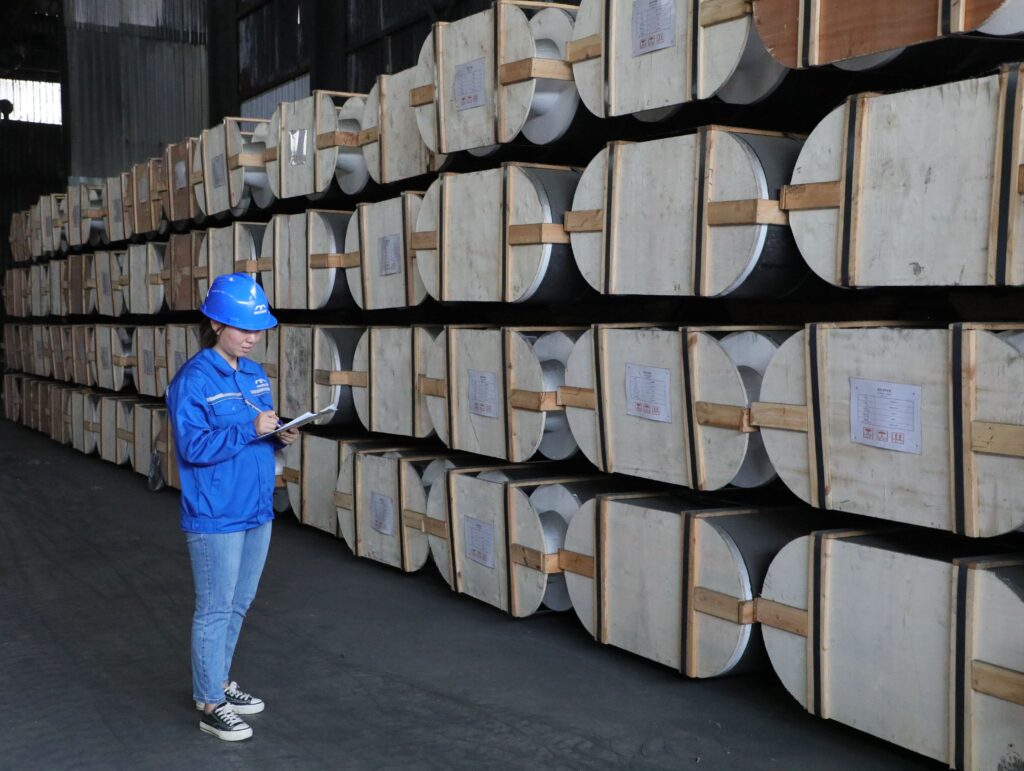
Dimensions: Diameter and Length
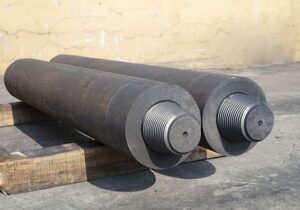
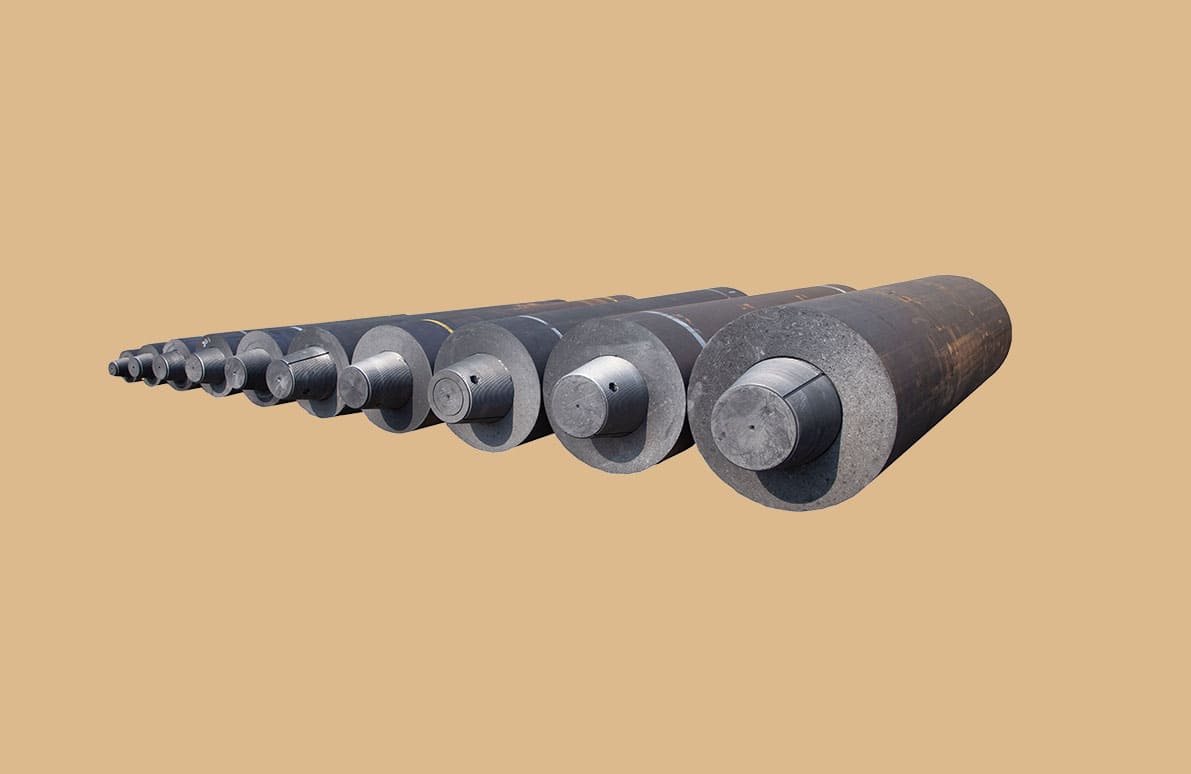
This is the most straightforward type of customization. While diameters are fairly standardized (e.g., 400mm, 500mm, 600mm) because furnaces are designed around them, length offers more flexibility. A standard electrode might be 2400mm or 2700mm long.
However, I’ve worked with foundries using smaller furnaces where a slightly shorter electrode, say 1800mm, prevents clearance issues with the furnace roof or improves handling. Conversely, a longer electrode might be requested to reduce the number of connections and minimize downtime, but this adds mechanical stress. The right length is always a trade-off between operational convenience and mechanical stability.
Material Properties: Grade and Performance
This is the most critical area of “customization” and where the most value is found. It’s not about inventing new materials, but about selecting the right grade for the job. The main grades are:
- Regular Power (RP)
- High Power (HP)
- Ultra-High Power (UHP)
A request for a “custom” electrode is often just a request for a specific grade. A high-powered Electric Arc Furnace (EAF) running at maximum capacity absolutely needs a UHP electrode with very low electrical resistivity and high density to handle the intense current. Using an HP electrode would lead to rapid consumption and likely breakage. On the other hand, a simple ladle furnace doesn’t need the performance (or cost) of a UHP electrode; a high-quality HP grade is the perfect, cost-effective choice. True customization here is about matching the electrode’s properties—like resistivity, strength, and thermal expansion—to your furnace’s specific energy profile and operating cycle.
Joint System: Nipples and Sockets
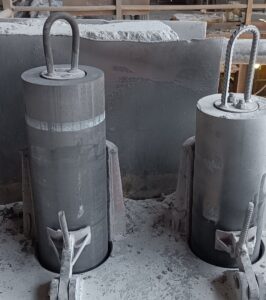
The connection between two electrodes is a common failure point. The nipple that joins them must be just as robust as the electrode body. “Customization” in this area often involves specifying a particular nipple type (e.g., a 3-TPI or 4-TPI pin) or ensuring the nipple is made from a higher-density graphite pitch than the electrode itself.
I’ve seen cases where a customer was experiencing frequent breaks at the joint. After analyzing their operation, we recommended a switch to a nipple with a different thread design. It wasn’t a “custom” electrode, but it was a customized solution that solved a critical problem and improved furnace stability.
When Should You Consider Custom Graphite Electrodes?
Your furnace is stable and your costs are under control. Is there any reason to rock the boat and look for a non-standard electrode? Probably not. The default choice should always be a proven, standard product.
You should only consider deviating from a standard, high-quality electrode if you’re trying to solve a specific, persistent operational problem that standard options haven’t fixed. Don’t seek customization for its own sake.

My first piece of advice is always this: if a standard UHP or HP electrode from a reliable supplier is working well for you, stick with it. The manufacturing processes for these grades are mature, quality is consistent, and costs are optimized.
However, it’s time to have a conversation about specific parameters if you’re consistently facing issues like:
- Excessive Consumption: If your electrodes are burning off faster than expected, it might point to a mismatch in grade. A slightly denser electrode or one with lower resistivity could make a significant difference.
- Frequent Breakage: If electrodes are breaking at the joint or along the body, it could be a sign that you need a stronger material or a different nipple design to handle the mechanical stresses in your furnace.
- Operational Constraints: If the physical size of standard electrodes is causing handling problems or limiting your furnace’s movement, a non-standard length is a perfectly valid request.
But always be aware of the trade-offs. Requesting a truly non-standard dimension or property often comes with higher Minimum Order Quantities (MOQs), longer lead times, and increased costs. Most importantly, it introduces a performance risk if your supplier isn’t experienced with that exact specification. Always ask for case studies or test data for any “custom” solution they propose.
Conclusion
So, can graphite electrodes be customized? Absolutely. But the smart approach isn’t to ask for something brand new. It’s to work with a knowledgeable supplier to pinpoint the exact specifications—length, grade, and joint design—that will give your furnace the stability and efficiency it needs. It’s about making an informed decision based on your operational data, not just a procurement request. The goal is to find the most reliable and cost-effective solution, which is often a standard product that is simply the right fit.
If you’re grappling with electrode performance and wondering what your options are, our team is here to help. We can review your furnace data and guide you to the specification that best balances performance, cost, and operational stability for your melt shop.